
Understanding the Importance of Tool Presetting
Central to the CNC machinery’s success is the specificity of tool data. This information encompasses tool dimensions such as diameters and lengths, and extends to intricate details like corner radius, tool shape, and type. Perfecting these details is pivotal, ensuring the desired product outcome is realized. Before delving deeper into the methods that guarantee this precision, it’s vital to understand how tool presetting has evolved to meet these demands.
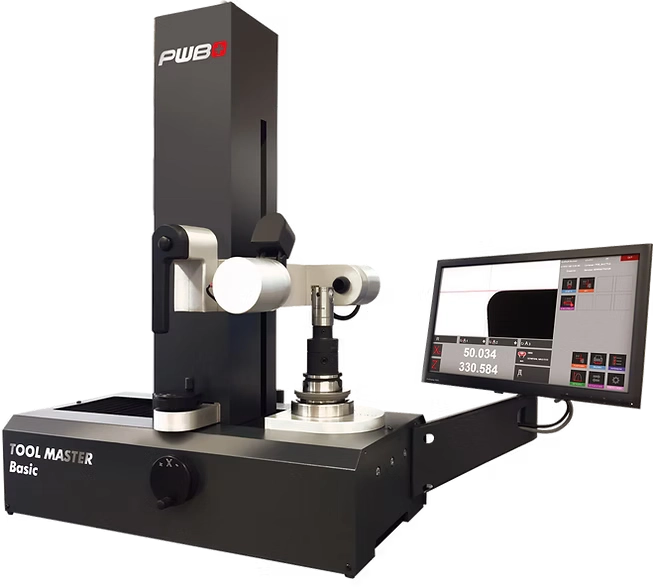
In the 1970s, with CNC controls being relatively primitive and having restricted memory capabilities, there wasn’t ample space to store comprehensive tool data. This necessitated programmers to lean on techniques like G-code commands to create offsets accommodating varying tool lengths. Fortunately, with technological advancements, modern CNC controls can now memorize and harness tool measurements. As a result, what we now refer to as tool presetting has become synonymous with tool measurement. Today’s sophisticated machines designed for this purpose are popularly known as tool presetters.