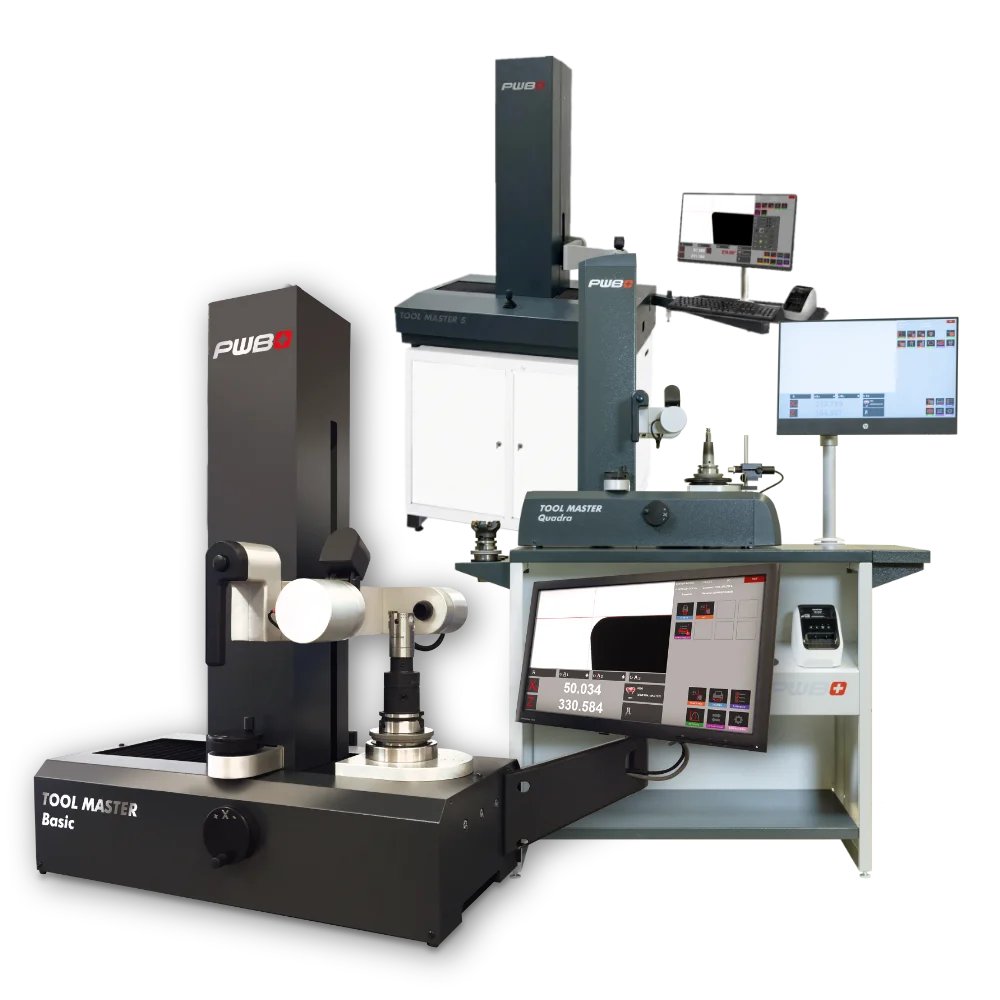

Diverse Methods of Tool Measurement
The landscape of tool measurement boasts a variety of methods, each tailored to specific needs. Influences like the nature of the machining application, workshop practices, tool types, and machine configurations dictate the methodology adopted.
Old-school tool presetters functioned akin to height gauges. A cutting tool was nestled into a holding fixture, followed by measurements taken by aligning the presetter with the tool. While these versions are economical and durable, they occasionally falter in precision, especially when compared to their contemporary counterparts.
Modern tool presetters employ the prowess of optical technologies. Through calibrated cameras, they provide a comprehensive, detailed perspective of the cutting tool edge. Some of the high-end models even spotlight the tiniest of imperfections, demanding that tools be absolutely lint-free to assure pinpoint measurements. This microscopic attention is especially pivotal for presetting tools with distinctive shapes and features. Additionally, the capabilities of these optical machines aren’t confined to magnification alone. They measure angles, validate radii, and ensure other features are aligned. As technology continues to evolve, so do their functionalities. They can automate measurements, document results, and in specific scenarios, even interface directly with the machine tool control. Some innovative practices even involve printing tool details and measurements on stickers that are then attached to the cutting tools, amplifying efficiency and minimizing errors.